
Meet the Scientist
Hafiz
‘Meet the Scientist’ is a short feature series in which we get to know the people behind the work done at Borneo Futures
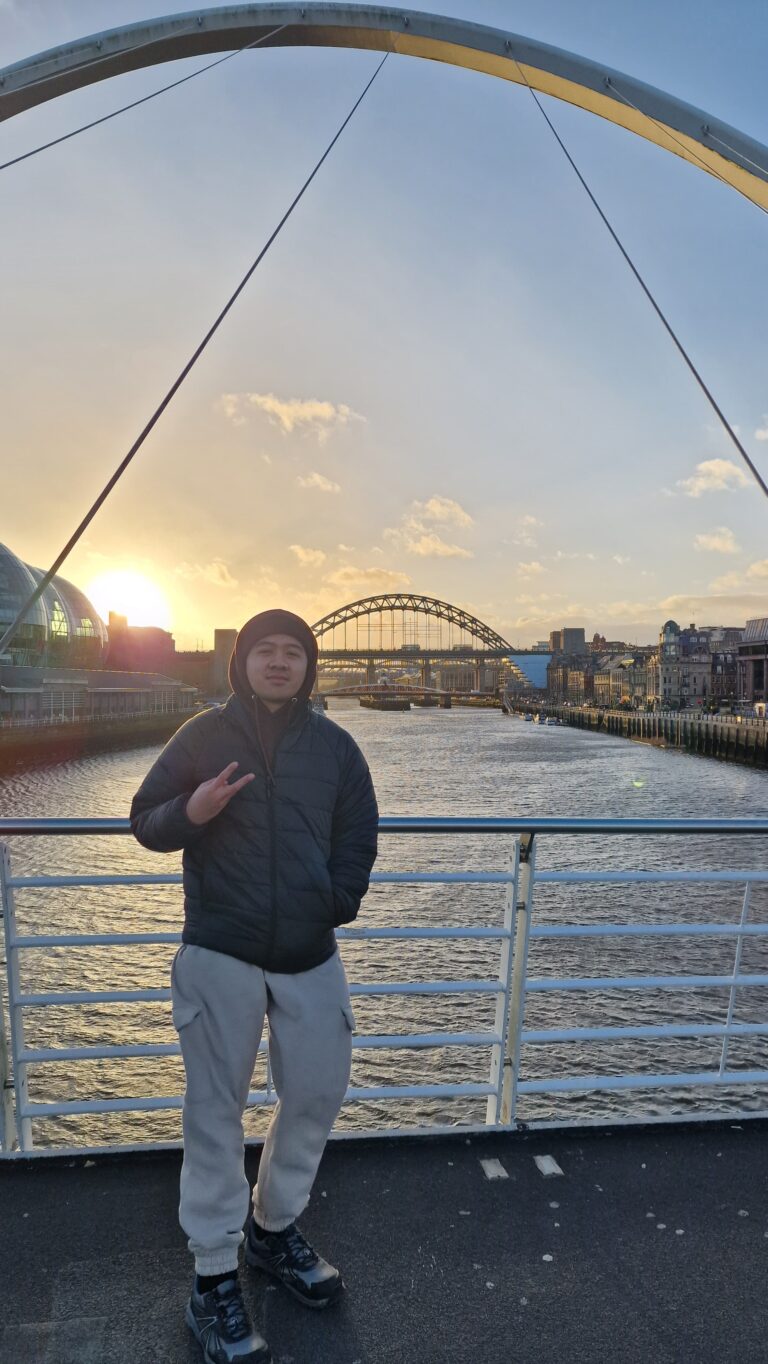
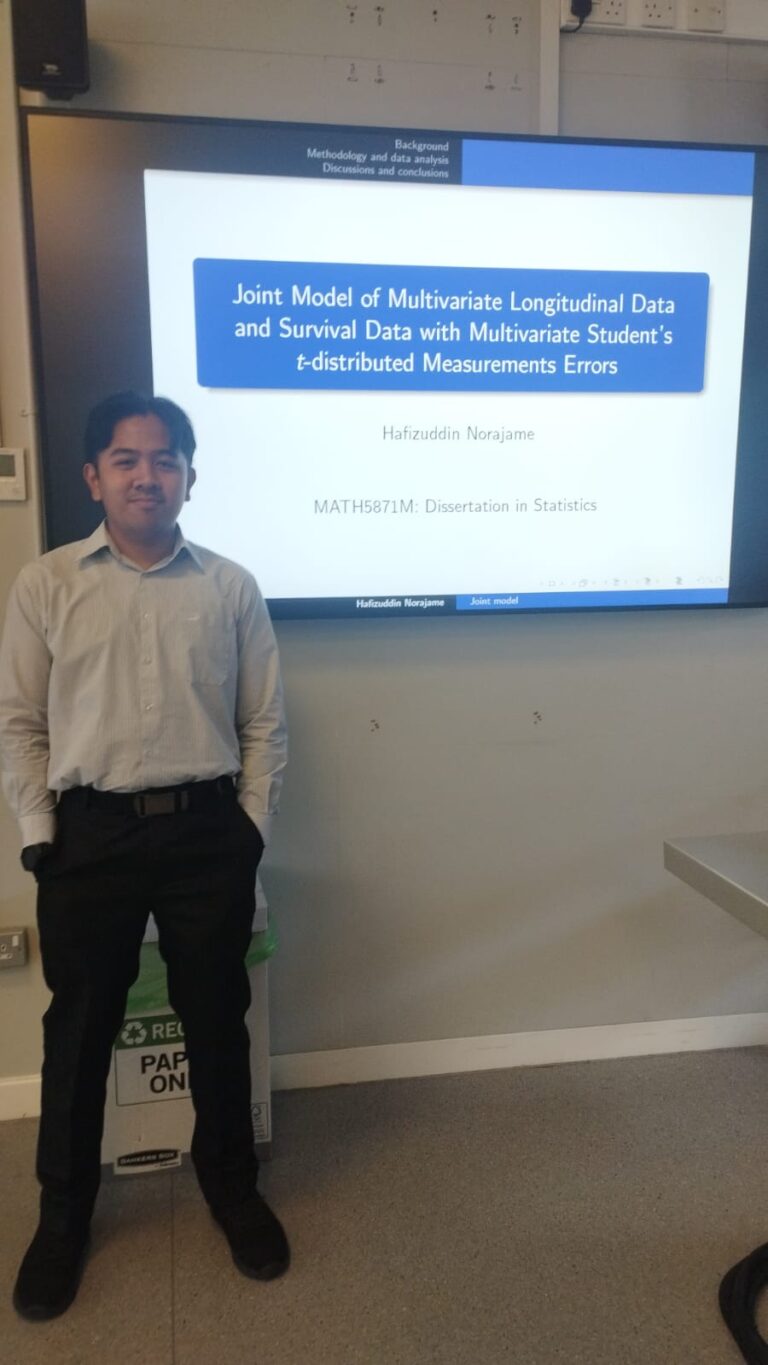
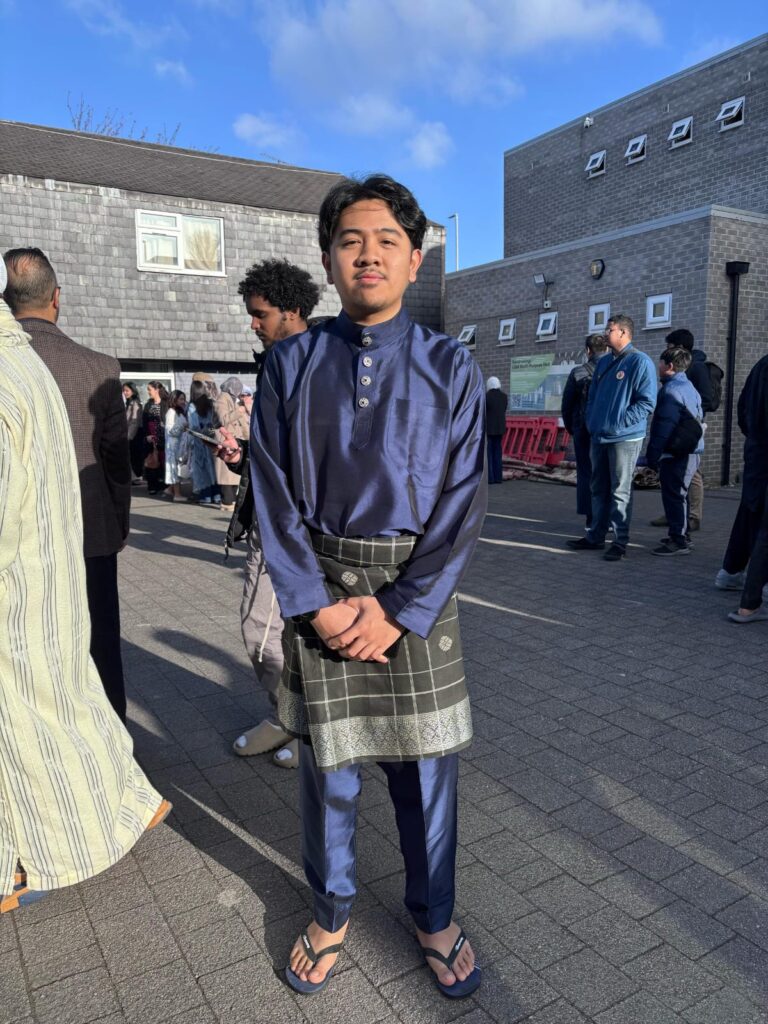
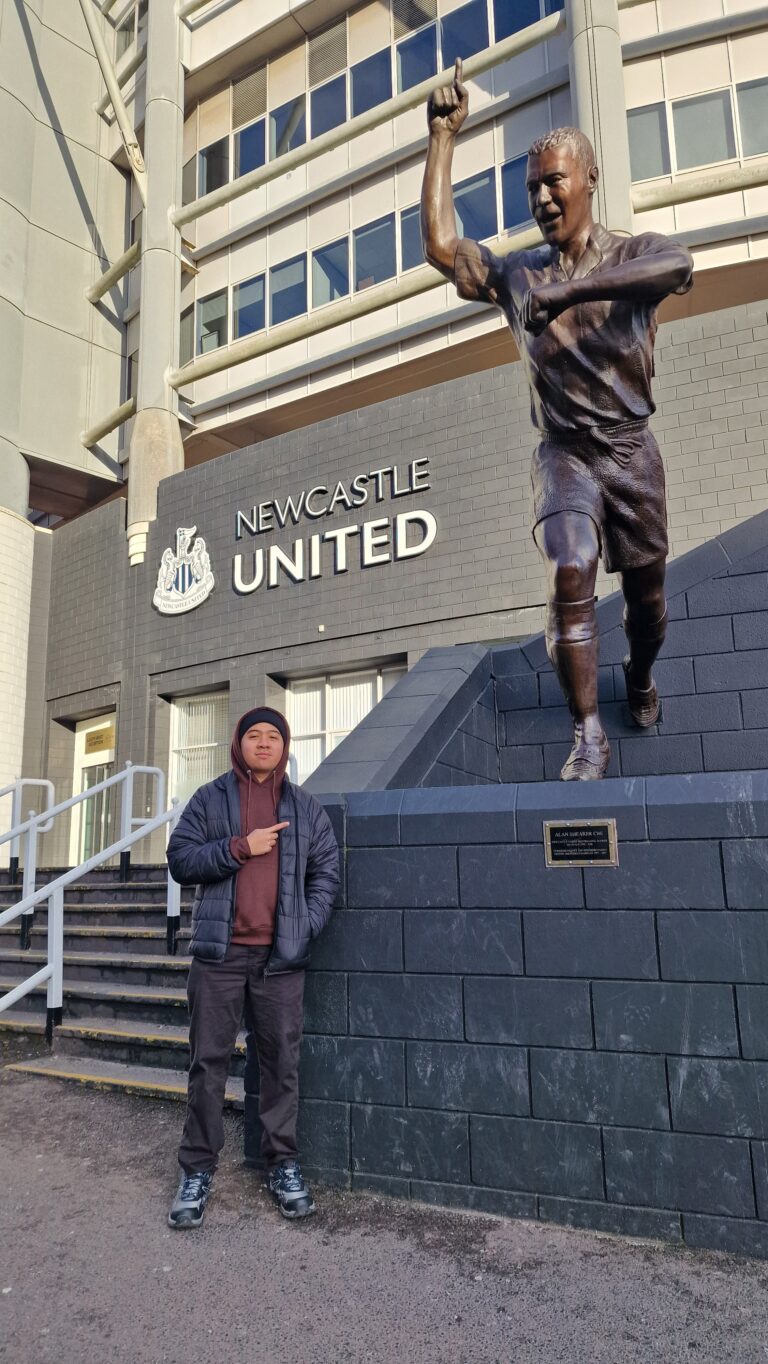
‘Meet the Scientist’ is a short feature series in which we get to know the people behind the work done at Borneo Futures – who they are, where they came from, and where they are going. The voices of young and junior scientists are often lost in a sector often dominated by big names and institutions. This series aims to give back the voice to the changemakers of tomorrow and showcase the hard work they do to make Borneo Futures what it is today.
In this Meet the Scientist, I speak to Hafiz, the lead biostatistician at Borneo Futures.
With a Master’s degree in statistics from the University of Leeds and a Bachelor of Science in mathematics from Universiti Brunei Darussalam, Hafiz is the resident statistics expert in our team.
Working closely with the biodiversity team, as well as external statisticians such as Arco van Strien, Hafiz’s responsibilities include data analysis, study design, producing statistical reports, developing data collection strategies, and informing biodiversity management strategies.
Hafiz joined Borneo Futures in November 2025 in a part-time position, working on data cleaning and statistics. This was his first formal job. During his studies, he was always drawn to statistics for its real-life applicability, but he never saw himself working in conservation.
Since starting his full-time work at Borneo Futures, he has seen a rapid expansion and development of his responsibilities and expertise. Initially, it took him a long time to learn the models our work uses, but with the support of experts, he quickly got the hang of it. He highlighted, however, that he sees statistics as a field for continuous growth: you never stop learning.
Some of the main skills he has developed during his time at Borneo Futures revolve around study design, something he was never taught during his time at university. He was also very proud to have helped develop the occupancy maps for our KehatiKu community-based biodiversity monitoring system, which really accelerated interest in our work on social media platforms.
This work allowed him to work closely with the geospatial team, who he has also assisted in developing critical habitat indices. He tells me that he would really love to learn how to create maps on his own and eventually make a live biodiversity dashboard, with an integrated map, for everyone to see.
Currently, Hafiz is working on a crucial study to validate the occupancy models from KehatiKu, based on bird survey data. The process involves collecting species presence/absence data and following a standardised protocol, which reduces potential sources of bias and enables more robust validation.
Despite his initial hesitation about working in conservation, Hafiz is proud to be in this field and sees himself working in it long-term. He recognises that there aren’t many biostatisticians working in conservation science in Brunei, meaning he could easily become a leading scientist in his home country.
Finally, when asked for his ultimate goal, he paused and told me that previously, he had always wanted to be a professor at UBD. However, now, having widened his horizons and experienced new prospects, he can only hope to keep learning, become an expert in statistics, and continue to have passion for his work.