Author name: Emily Meijaard

Meet the Scientist

Meet the Scientist: Azizi

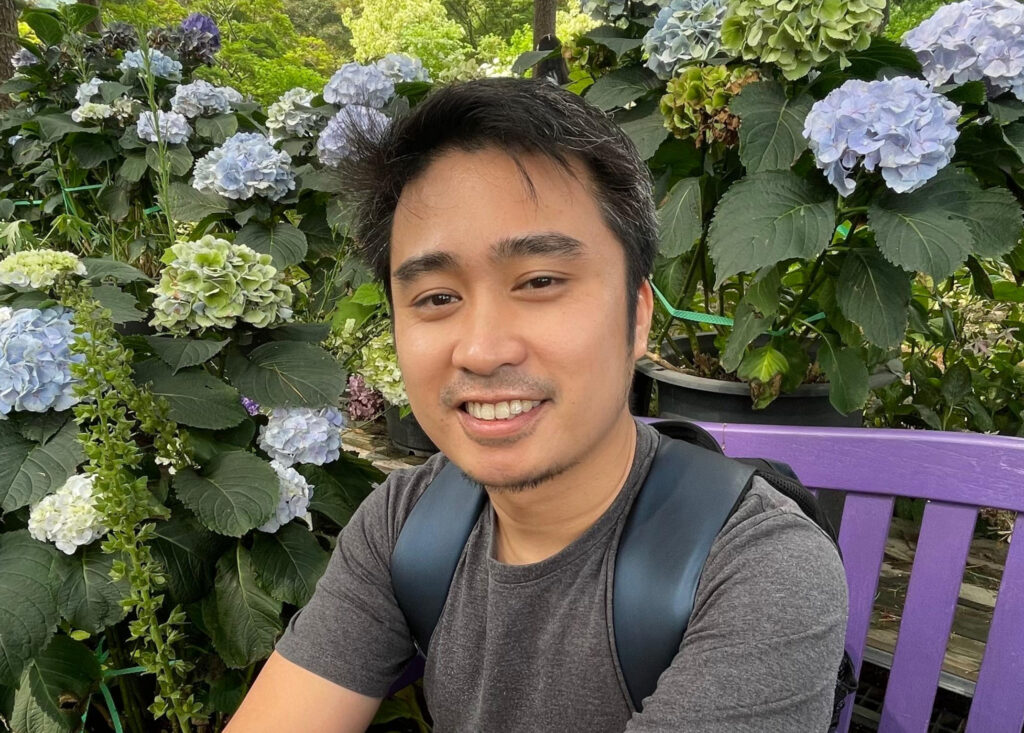
Meet the Scientist Azizi ‘Meet the Scientist’ is a short feature series in which we get to know the people behind the work done at Borneo Futures ‘Meet the Scientist’ is a short feature series in which we get to know the people behind the work done at Borneo Futures – who they are, where they came from, and where they are going. The voices of young and junior scientists are often lost in a sector often dominated by big names and institutions. This series aims to give back the voice to the changemakers of tomorrow and showcase the hard work they do to make Borneo Futures what it is today. In this edition of Meet the Scientist, we are talking to the newest member of our team, lead application developer for our novel citizen science-based programmes, Azizi Sabri. A developer by trade, Azizi is new to the conservation sphere but already eager to grow into his role and learn the ins, outs, and idiosyncrasies of this industry. Azizi’s journey to this role is all but textbook. Having studied linguistics – poetry, literature, sociology and the like, falling into the world of mobile development was a happy accident; a ‘pleasant surprise’, in his words. It was in the early stages of his career that he discovered a desire to challenge himself and aim higher. When the opportunity to earn a scholarship in IT presented itself, he embraced it as the first step toward building his future. A year into the course, Azizi found he had a knack for application development. It made sense, and it excited him. Sensing the rise of mobile apps, he decided to focus entirely on mobile development rather than dividing his attention with web. That focus became a turning point in his career. His newfound skills landed him several positions, but none had a spark. He longed for a role that let him be more creator than conduit. It was almost as if by fate that a position for a full-stack developer should be advertised when, finally, after several years at the same job, Azizi decided he needed a change. He had never heard of Borneo Futures, nor had he any particular connection to conservation science outside of his love for nature documentaries as a child, but he was intrigued and wanted to learn more. It didn’t take long for Azizi to recognise that this was the change he had been looking for. So, he applied and, not long after, was offered the position. As the lead application developer, Azizi feels validated and proud to take on this role. “I have a lot of experience, and being offered this position feels like recognition of that. I’m glad to finally apply my skills in a way that has real impact. I am glad to now have a practical application of my skills, where I have greater influence on the quality and best practices in place.” Not only has this new position introduced Azizi to the world of conservation, which, he tells me, ‘feels surreal’, but it will also support his career growth. When asked where Azizi sees himself in the future, he’s clear on what he wants – to hold a C-level position, preferably as a Chief Technological Officer (CTO). He knows his technical knowledge is up to par, but what he strives to gain is real-world experience in a management role before he can confidently move up the ranks. Developing an in-house application, which may later be scaled for global use, would offer him the opportunity to gain experience in what he calls ‘leading a team of teams’. This is why, outside of application development, Azizi is determined to be an integral team player at Borneo Futures – helping to improve processes at all levels of the company and across projects. He might not have an advanced degree, something that troubled him initially, but his willingness to keep learning and commitment to deep involvement in his projects and craft are what make him an asset to our team. “Throughout my career, I am always learning that there is so much more to know – you’re never an expert and recognising that is key to your success”. From poetry to programming, Azizi’s journey shows that unconventional paths can lead to impactful places. Welcome to the team, Azizi. We can’t wait to see where you take us.

Blog

Citizen Science Origins

Blog Citizen Science Origins Borneo Futures Director, Erik Meijaard, has long been working on the idea of using citizen science to better inform adaptive biodiversity management. It all started in 2005 when, on a routine visit to train biodiversity experts at a timber concession, Erik realised that those who truly knew where and what the species were were not the experts, but the staff on the ground spending day in and day out in the forests. This observation sparked a simple but powerful question: Why does so much of this knowledge go unrecorded, and how could we develop systems to collect it more effectively? From here, Erik entered discussions with Borneo Futures Co-Director, Rona Dennis, to formalise a system whereby anyone could monitor biodiversity and contribute to a more comprehensive database of observations. At the time, Rona was working in environmental risk assessment for a multinational mining company with exploration sites in Indonesia. She took the concept to her seniors and partnered with a colleague to roll it out across the Indonesian project. The trial was a huge success, surpassing expectations and acting as a crucial proof of concept. Senior management praised the initiative, recognising the benefit it brought for their sustainability commitments through widespread engagement with conservation and a record number of new species sightings. People began to get excited about conservation. When the company unexpectedly closed its Indonesian projects, Rona and Erik were committed to citizen science and weren’t going to let it disappear with the loss of their major pilot. Instead, they turned to alternative avenues. Erik had been working with palm oil producer ANJ since 2011 and looked to integrate this approach into an oil palm landscape. The first attempt failed due to a lack of integration into company policy. However, with Rona’s expertise in creating formal systems, they tried again. In 2019, ANJ began deploying the project across its seven estates in Indonesia. This project, which garnered great praise over five years of implementation, was dubbed PENDAKI, a name signifying care for the environment. The outcomes were remarkable: over 190,000 species sightings so far, including many new records, and strong staff engagement. “The social benefits of PENDAKI demonstrated the importance of community engagement because, without it, biodiversity will always be a siloed activity or afterthought.” This spurred a shift towards community-based systems. Initial interest was modest, but participation surged once incentives were introduced. Villagers were given tablets to view their own observations and told that if they recorded 600 sightings, they could keep the device, a target they initially doubted, but met with ease. When a payment system was later introduced, the numbers skyrocketed, with each village now contributing between 6,000 and 7,000 observations every month. Now well established and thriving, the project’s ambition extends beyond collecting wildlife data to changing mindsets about biodiversity. Through its incentive programme, the aim is to make conservation more valuable than poaching. The long-term goal is to expand the model across communities and companies, and embed it into government programmes such as Dana Desa in Indonesia, where villages that protect biodiversity could receive premium payments. With a target of 50 project sites by 2028, a milestone expected to be easily met, the project is attracting growing interest from both companies and communities. This balance is crucial, as it demonstrates that the approach is low-cost compared to traditional methods, yet generates far more data that can be transformed into near-real-time insights on the impact of conservation activities. Such immediacy is rare in the sector, where few investors in conservation ever see the direct effects of their actions. Understanding why people choose to participate, whether for financial reward, recognition, or the satisfaction of helping the planet, is key to sustaining this momentum. The approach is scalable, adaptable, and targeted, “a radical redesign of conservation incentives at scale,” as its creators describe. “Just imagine, what if conservation paid better than poaching?” Challenges remain, especially in keeping up with technological updates, but the potential is undeniable. Citizen science is proving to be a true innovation for conservation, transforming local knowledge into national impact and showing that when communities lead, biodiversity thrives.

Blog

From Learning to Leadership: Safwanah’s Experience on the ASEAN-Australia Centre’s Emerging Leaders Program

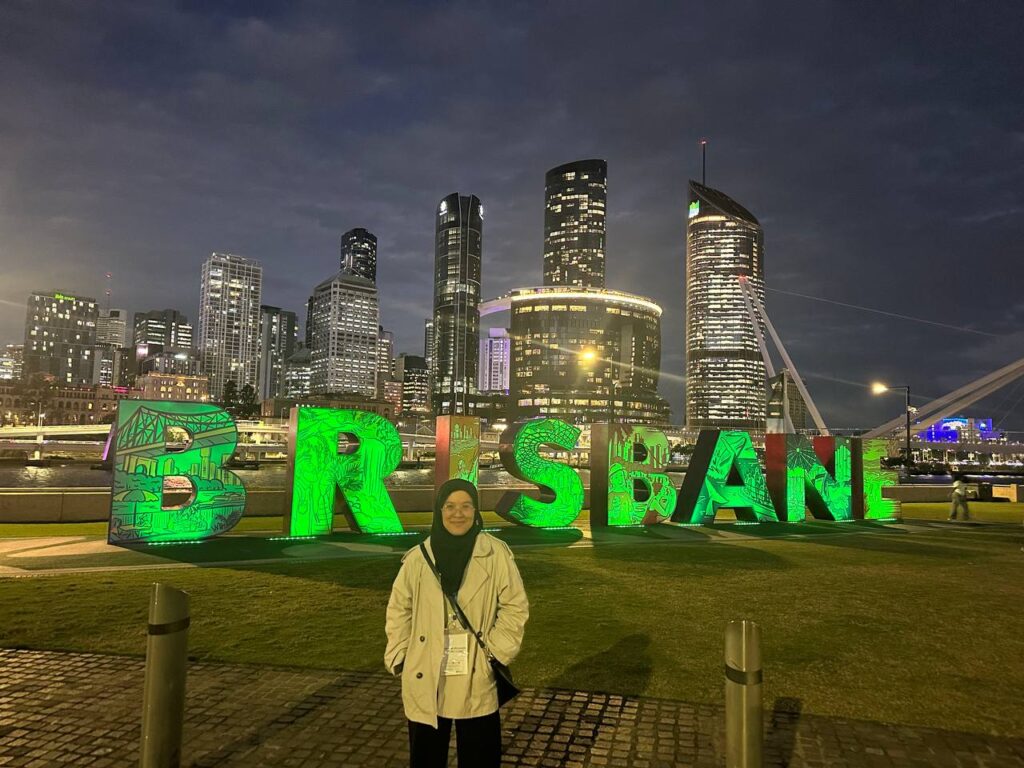
Blog From Learning to Leadership: Safwanah’s Experience on the ASEAN-Australia Centre’s Emerging Leaders Program The ASEAN-Australia Centre’s Emerging Leaders Program and Short Courses bring together early-to-mid-career professionals from ASEAN, Timor-Leste and Australia to strengthen leadership, strategic thinking and regional networks in key sectors like the digital economy and sustainable agriculture. Over three months, participants take part in virtual workshops and a one-week in-person program in Australia. The course blends practical learning, cultural exchange and engagement with experts, culminating in a return-to-work plan to help drive positive change in their fields and communities. She extends her gratitude to the ASEAN-Australia Centre, in partnership with Griffith University, for organizing the program, with support from the Australian Government through the Department of Foreign Affairs and Trade (DFAT). Last month, Safwanah Said, Director and Spatial Analyst at Borneo Futures, embarked on a journey to deepen her understanding of the role women play in STEM and develop her capacity to excel in her profession and act as a steward for equal representation in the field. While the in-person course lasted only a couple of weeks, Safwanah will carry forward the lessons learned to encourage current and future generations of women, including her young daughter, to recognise their worth and take up space in their chosen fields of expertise. Safwanah first joined Borneo Futures in 2020 as a research officer with a focus on GIS and geospatial mapping. Since then, she has steadily progressed to become a confident spatial analyst, taking a leading role in land use change (LUC) analyses, spatial data modelling, and the mapping components of research studies and conservation projects. Her primary interest lies in conducting critical habitat assessments, where she can apply her diverse skill set to determine the natural and modified habitat of project areas. This work helps generate multi-factorial maps to guide biodiversity and sustainability assessments. Her passion for GIS was sparked during her undergraduate studies in Environmental Sciences in Brunei Darussalam, where a short module on ArcGIS introduced her to the world of spatial data. Two semesters abroad at King’s College London offered her the opportunity to explore remote sensing, which further solidified her interest, although opportunities to pursue this field locally remained limited. Determined to continue, she later completed a Master’s degree in Water Resources and Environmental Engineering, with a thesis that placed GIS at its core. Despite this strong academic foundation, Safwanah entered a job market with few roles that allowed her to apply her specialised skills. Through persistence and dedication, she carved out a space for herself, bringing technical excellence and a unique perspective to her work in Brunei’s growing sustainability and conservation sector. Safwanah first heard about the ASEAN-Australia Centre Short Course on Women in STEM through a Borneo Futures Director and her supervisor, Rona, who encouraged her to apply. With a full plate at work and young children at home, she hesitated at first. The opportunity sounded exciting but was it realistic? Could she make the time? Was she even the kind of candidate they were looking for? Her uncertainty quickly gave way to disbelief when she received the acceptance email. Out of over 200 applicants from across Southeast Asia, only 20 women were selected, and she was one of them. That moment marked a turning point, not just in her career but in how she viewed herself: as a representative of Brunei, a woman in STEM, and a role model in her field. The application process was rigorous. Safwanah completed multiple written components and was later invited to an interview that pushed her to reflect on the state of STEM in Brunei, particularly for women. She spoke honestly about how, despite the strong quality of education in Brunei, there are few pathways for progression after graduation, especially in technical fields such as spatial analysis. She also highlighted the lack of visible local role models. Most of the technical expert roles in STEM fields are often held by expatriates. The absence of visible Bruneian women in technical roles limits what young girls believe is possible. These reflections were not easy to voice but they were honest, and they resonated with the selection committee. Her application and interview emphasised not only her technical expertise and leadership potential but also her deep understanding of the barriers women in Brunei face in STEM fields, and her determination to help change that. Over the two-week programme, Safwanah travelled to Brisbane, the Gold Coast and Canberra; each city offering a unique perspective on women’s roles in STEM. In Brisbane, she attended sessions on global gender disparities in STEM, leadership, machine learning and personal branding, which left her feeling both empowered and challenged. On the Gold Coast, hands-on exposure to cutting-edge STEM applications, from 3D printing to marine biology, fuelled her excitement for real-world impact. In Canberra, policy and science converged through site visits and key presentations, including a transformative session by Science in Australia Gender Equity (SAGE). Throughout, Safwanah was struck by the systemic support available for women in Australia and she returned with renewed motivation to advocate for greater inclusion in Brunei. She described her time in Australia as eye-opening and empowering, both professionally and personally. The programme’s engaging, workshop-style sessions, covering leadership, personal branding, and gender equity in STEM, pushed her beyond her comfort zone and encouraged her to find her voice. Highlights included visits to cutting-edge labs such as ADaPT, the BioSpine Lab and the Sea Jellies Research Laboratory, where she saw first-hand how innovative technologies are applied in biomedicine and environmental science. She was especially struck by the emphasis on inclusivity in Australian STEM programmes, an approach less commonly emphasized in Brunei, and how this ethos helps to drive innovation. The presentation by SAGE was particularly impactful, shifting her perspective from the challenges of entry into STEM to the deeper, systemic issues around retention and career progression. Safwanah returned inspired to advocate for structural changes in Brunei, particularly as the country moves towards developing a national action plan to empower women in leadership. As

Meet the Scientist

Meet the Scientist: Muiz

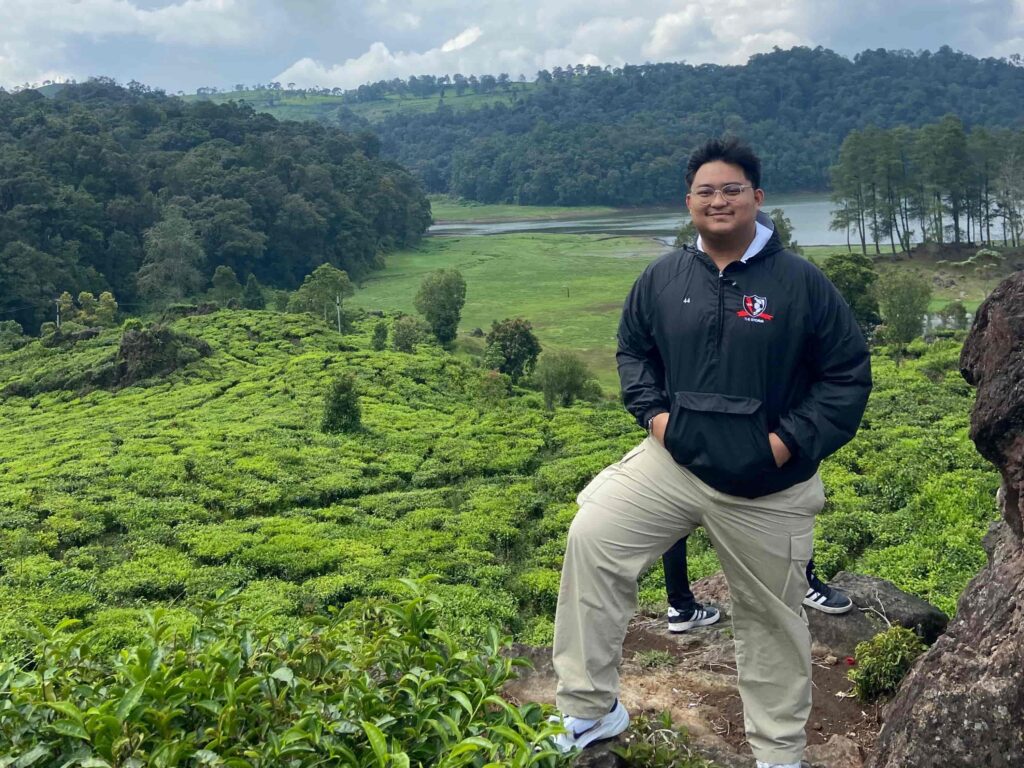
Meet the Scientist Muiz ‘Meet the Scientist’ is a short feature series in which we get to know the people behind the work done at Borneo Futures ‘Meet the Scientist’ is a short feature series in which we get to know the people behind the work done at Borneo Futures – who they are, where they came from, and where they are going. The voices of young and junior scientists are often lost in a sector often dominated by big names and institutions. This series aims to give back the voice to the changemakers of tomorrow and showcase the hard work they do to make Borneo Futures what it is today. In this edition of Meet the Scientist, we introduce Mu’iz Wafiy, a Geographic Information System (GIS) Technician at Borneo Futures, who joined the team in February 2024. His expertise involves working with spatial data to map, visualize, and analyse environmental and development projects. Like many members of the Borneo Futures GIS team, Mu’iz was first introduced to the subject during his undergraduate studies at Universiti Brunei Darussalam. He describes his first impressions of this new subject as one that is complicated, but full of potential. Reflecting on his early experience, Mu’iz shares “As I explored its capabilities, I realized that GIS is a powerful tool with diverse applications, particularly in spatial data analysis and visualization”. Once he understood its role in modern development and decision-making, his interest was sparked, and he saw himself pursuing a career in GIS. Mu’iz’s early interest in geography began in his A-levels, where he developed a keen enthusiasm for physical geography. Initially, he aspired to apply his GIS expertise in meteorology. To explore this path, he interned at the Brunei Darussalam Meteorological Department. However, he soon realized that a career in meteorology required specialized knowledge beyond his BA in Geography, Environment, and Development. Determined to refine his skills, Mu’iz expanded his knowledge of GIS, through university assignments and independent learning, using free tools such as YouTube tutorials and QGIS. In his final year at university, Mu’iz received formal training in ArcGIS Pro from a GIS engineer at NiAT, a Brunei-based company. He applied the skills he developed during this training to his final-year thesis, which evaluated land use changes in Brunei. Mu’iz credits the extensive experience in GIS that he gained through engaged mentorship and unique opportunities during his studies for shaping his career. “Working on various GIS-based assignments, research and thesis projects strengthened my ability to analyse spatial data, create maps and conduct spatial analyses. This experience enabled me to transition into a professional GIS role at Borneo Futures”. In his current position, Mu’iz values the hands-on experience using GIS in a professional setting that Borneo Futures provides. He acknowledges that adapting to a fast-paced work environment was initially challenging, but with guidance from his supervisors, Nabillah and Safwanah, he has become a more confident and capable GIS technician. During his time at Borneo Futures, Mu’iz has worked on several projects, but his proudest achievement is seeing his improvement in completing RSPO Land Use Change Analyses (LUCAs) through consistent practice and guidance from his supervisors. Another milestone was leading the Borneo Futures at the World GIS Day event, hosted by the Survey Department of Brunei Darussalam, which Mu’iz said to be “a rewarding experience to showcase our company’s expertise in GIS and increase public awareness of its applications”. The future has a lot in store for Mu’iz. Recognizing that GIS remains underutilized in Brunei, Mu’iz wants to champion the subject and advocate for greater investment in GIS development and local expertise. His long-term goal is to pursue a master’s degree in Geospatial Sciences, strengthening his ability to contribute to Brunei’s growing GIS industry. In the meantime, he remains committed to expanding his technical skills and tackling new challenges at Borneo Futures. “I believe career growth is a continuous journey, and I will always seek new opportunities for learning and professional development to reach my full potential in the geospatial field”.

Blog

Brunei’s First Licensed HCV/HCS Assessor Leads the Way in Conservation

Blog Brunei’s First Licensed HCV/HCS Assessor Leads the Way in Conservation In December of this year, Syazwan Omar, known as “Wano,” achieved a major milestone by passing his final assessment for a High Conservation Value and High Carbon Stock (HCV/HCS) course. Wano is a graduate of Universiti Brunei Darussalam and holds both a Bachelor’s and a Master of Science in Geoscience from the institution. Passing his final assessment makes Wano the first provisionally licensed HCV/HCS assessor in Brunei Darussalam. HCV assessments have been used for the past two decades to identify and protect areas with high conservation value from land use change, often related to extractive industries and agriculture. The methodology is versatile and can be applied in a wide range of contexts, making it an ideal means of standardizing land use assessment and environmental protection. Wano is a leading environmental analyst at Borneo Futures, who joined the team after demonstrating his expertise in the first Brunei-wide environmental assessment for peat, which he completed in his final project to attain his master’s degree. Since joining Borneo Futures in 2023, his career has evolved toward a focus on environmental sustainability and citizen engagement, a shift that aligns perfectly with his recent certification. His passion for this field was evident in his enthusiastic participation in the HCV/HCS assessment course held in Bogor, Indonesia. Looking forward, Wano aspires to apply his training by conducting assessments in Indonesia and spearheading efforts to establish a domestic market for HCV/HCS assessments in Brunei. Brunei, with its rich biodiversity and extensive tropical forests, stands to benefit greatly from the adoption of HCV and HCS assessments. These tools help balance development with environmental and social priorities, offering significant advantages. HCV assessments can pinpoint critical habitats for rare and endemic species, ensuring their protection amid urban expansion or agricultural growth. HCS assessments complement this by identifying high-carbon areas, safeguarding Brunei’s forests as vital carbon sinks and supporting the nation’s climate commitments. Economically, these assessments enable sustainable policies that balance ecological integrity with growth, particularly in forestry and agriculture. Aligning with global sustainability standards enhances market access for products like timber and palm oil, which face increasing scrutiny for environmental compliance. Additionally, these tools address community well-being by considering the needs of local and Indigenous groups, fostering equitable land-use practices. Protecting high-value areas could further bolster Brunei’s ecotourism sector, showcasing its pristine forests and biodiversity.   While implementation of these assessments requires expertise, resources, and coordination among stakeholders, integrating them into Brunei’s land-use planning could position the country as a regional leader in sustainable development and conservation. Wano’s certification marks a crucial step in this direction, as it equips Brunei with local expertise to navigate these challenges and opportunities. In a recent interview, Wano shared insights into the intensive course that spanned a week and offered both theoretical and practical training. Hosted by Remark Indonesia, the course delved into the fundamentals of HCV/HCS assessments and provided hands-on experience through fieldwork, mock assessments, and group activities. Wano highlighted the emphasis on communication and teamwork, two pillars of a successful assessment process. Participants engaged in exercises such as designing “perfect” landscapes for evaluation, conducting patch analyses and land cover mapping, and practicing stakeholder consultations tailored to different audiences. On-site interviews were also conducted to assess resource use and biodiversity values. Notably, the course emphasized Free Prior and Informed Consent (FPIC), a principle integral to Borneo Futures’ projects. Aside from the ‘perfect’ landscapes, students were also assessed through continuous assessment of the theory learned throughout the course, as well as presentations of stakeholder consultations, including the outcomes and consultation process. The final assessment took the form of a group report, to mimic the conditions under which a standard HCV/HCS assessment would take place. The final assessment was submitted in September, with the results released in December. The overall grade was largely composed of this final assessment but factored in the assessments during the course too. To pass, students had to achieve a score of at least 70%. Wano, very impressively, scored 85% – an achievement to surely be proud of and a testament to his dedication to the subject matter and desire to succeed. Now in the probationary phase of his certification journey, Wano must submit two complete HCV/HCS reports to gain full accreditation as a fully licensed assessor. Drawing on his extensive connections in Indonesia through his work at Borneo Futures, he is optimistic about finding opportunities to fulfill this requirement. Wano’s achievement not only sets him up for future successes in Brunei and beyond but also represents a pivotal moment for the nation. As Brunei seeks to integrate sustainable practices into its development strategies, the groundwork laid by Wano and HCV/HCS assessments could catalyze its transformation into an active contributor to a global drive towards prioritizing conservation and sustainable land management.

Meet the Scientist

Meet the Scientist: Safwanah

Meet the Scientist Safwanah ‘Meet the Scientist’ is a short feature series in which we get to know the people behind the work done at Borneo Futures ‘Meet the Scientist’ is a short feature series in which we get to know the people behind the work done at Borneo Futures – who they are, where they came from, and where they are going. The voices of young and junior scientists are often lost in a sector often dominated by big names and institutions. This series aims to give back the voice to the changemakers of tomorrow and showcase the hard work they do to make Borneo Futures what it is today. In this first edition, I spoke with Safwanah Said, a leading spatial analyst at Borneo Futures. Safwanah first joined Borneo Futures in 2020, as a research officer with a focus on GIS Geospatial Mapping. Throughout her time at Borneo Futures, she has progressed through the ranks to become a confident spatial analyst taking a leading role in Land Use Change (LUC) analyses, mapping, and spatial elements of research studies and other projects. Safwanah’s primary interest at Borneo Futures is conducting critical habitat assessments, where she can use her varied skill base to determine the natural and modified habitat of a project area to generate multi- factorial maps. Safwanah developed her passion for GIS after taking a short module on the topic as part of her undergraduate studies in Environmental Sciences, which she completed in Brunei Darussalam. The module introduced her to ArcGIS and its applications. In her final year of study, where she was able to complete a semester abroad at Kings College London to study remote sensing. Her interest was sparked, but she had no avenues through which to explore it further. Later, Safwanah completed a master’s degree in Water Resources and Environmental Engingeering, where she could apply the knowledge and expertise she had gained during her undergraduate studies to complete a Master’s thesis that used GIS as a central component. Despite her strong foundation in GIS and spatial analysis, Safwanah entered the workforce with very few opportunities to apply her skills and unique interests. As a logical progression from her studies, Safwanah took a position as an environmental engineer at a local Bruneian company. However, she soon realised that this was not the trade for her. “It was not what I had expected. Environmental engineering, in practice, is very different to what we studied at university. I felt that it was far more technical and engineering-focused than I had imagined.” Still on the lookout for jobs in GIS, Safwanah came across an interesting call for a position at Borneo Futures. “I was really excited when the job opening came up. I was worried when I applied because I hadn’t worked in GIS before, but the mentorship I have received throughout my employment really helped and allowed me to do things I didn’t think I could.” Safwanah believes that working at Borneo Futures has broadened her horizons. She wishes that there were more opportunities like this in Brunei, not only from a GIS perspective but also as a company that actively engages with a range of actors from different countries and sectors. She comments that before joining Borneo Futures, she had never wanted to leave Brunei, but having been involved in projects abroad and seeing team members further their studies and careers in places such as Singapore, has introduced her to many more opportunities and allowed her to recognize that her options are not limited to what Brunei has to offer. When asked about aspirations for the future, Safwanah lit up. She has a lot of plans and great ambitions. It is obvious she is truly inspired by her work. In the short term, Safwanah would like to be involved in more research studies with a larger contributing role that could see her as one of the leading names on an article. She is also very interested in the ongoing High Conservation Value (HCV/HCS) work at Borneo Futures and, through her personal research, has found that there is a growing market for HCV assessments in Southeast Asian countries, including Brunei. “I was surprised and happy to learn that the Bruneian government is placing a growing emphasis on the value of HCV assessments. I want to start looking at these jobs early and making sure I am prepared and a highly skilled candidate.” Knowing that there are few opportunities for spatial analysts in Brunei, let alone HCV specialists, Safwanah is excited about the prospect of being a candidate with significantly more experience than others, especially in the environmental realm. However, Safwanah’s eyes are set on furthering her education first. “I would like to pursue another Master’s degree that highlights my knowledge of GIS and remote sensing. It’s easy to say that you have experience from a job, but having a qualification seems more official and a guarantee that you have the skills.” Ultimately, Safwanah would like to become a certified GIS professional, for which she would need to complete a course and pass a certification exam. She believes that attaining a professional certification would open up even more opportunities for her, including those abroad, but also recognizes that it would be good for Borneo Futures to have a GIS specialist on the team. At the moment, these goals still seem daunting to Safwanah, but she feels that having worked at Borneo Futures with such a close team has helped her to build her confidence. She believes that after completing her short-term goals at the Company she will have the courage and ability to take on something challenging and out of her comfort zone.

Meet the Scientist

Meet the Scientist: Wano

Meet the Scientist Wano ‘Meet the Scientist’ is a short feature series in which we get to know the people behind the work done at Borneo Futures ‘Meet the Scientist’ is a short feature series in which we get to know the people behind the work done at Borneo Futures – who they are, where they came from, and where they are going. The voices of young and junior scientists are often lost in a sector often dominated by big names and institutions. This series aims to give back the voice to the changemakers of tomorrow and showcase the hard work they do to make Borneo Futures what it is today. In this edition, I spoke to Wano, an environmental analyst and external engagement coordinator at Borneo Futures. A valued member of the team, Wano works across several projects related to conservation and sustainability, with a focus on geospatial science. He is currently taking the lead on Borneo Futures’ pilot program, the Orangutan Guardians, where we are working to monetize and incentivize community-based biodiversity monitoring and protection. Wano is principally a geospatial expert, having studied geology at the undergraduate level and geosciences at the postgraduate. Wano’s Master’s thesis involved a Brunei-wide analysis of peat soils; a group project that he led and the first study of its kind in Brunei. He tells me that the study also went against the perception in Brunei that the only pathway for geology graduates is a career in oil and gas. He knew, after completing the study, that he saw himself working in the field with people and the environment, not stuck in an office conceptualizing organic chemistry. Wano started his career in a financial institution, but quickly changed paths when Borneo Future’s contacted him with regards to his peat soils study. “I wanted to go back to my roots. It was an easy decision”. As a new company in Brunei, Wano was slightly sceptical about taking on a full-time position at Borneo Futures, but with the offer of lots of projects coming in, such as the Orangutan Guardians, PENDAKI review, and working on the IUCN report on the vegetable oil industry, he knew he had made the right decision. Initially, Wano’s focus was on geology, but the range of projects he has been involved in has exposed him to a range of subject areas which he finds interesting, including sustainability, land use change and, most recently, High Conversation Value/High Carbon Stock (HCV/HCS) assessments. The latter was the reason for a recent trip to Indonesia, where Wano completed a training course to become a certified HCV/HCS assessor. He found the experience very rewarding, and loved Indonesia; so much so that he would very seriously consider working there. During his 18 months at Borneo Futures, Wano has grown into the position and taken everything in his stride. He has pushed himself out of his comfort zone and undertaken projects he never thought he would. His proudest achievement was his very first project, a climate risk assessment to which he devoted a huge amount of time. He also found great value in digitizing the maps for the Orangutan Guardian project, particularly when he visited the communities and found how much they appreciated his work. Moving forward, Wano says he would like to be involved in more soil science and peat studies, as this is his area of expertise. He also believes that there is significant potential for using AI within Borneo Futures to optimize our projects, and would like to be involved in such a programme should the opportunity arise. When he becomes a certified HCV/HCS assessor, of which he would be the first in Brunei, he would like to take the lead in undertaking and seeking out these assessments for the company. When asked about a future beyond Borneo Futures, Wano tells me he would like to work at the intersection of conservation and geology, as he predicts a gap in the market that will desperately need to be filled in the near future. He also wants to further his skills in environmental policy and working with communities to promote conservation. Ultimately, however, Wano wants to be seen as a reliable professional that anyone can trust to get the job done. It was a pleasure to speak to Wano, and he strikes me to be someone with great ambition. He left me with some key insights into conservation that truly resonated with me and are wholly applicable to not only the environmental sector but all those who wish to address global problems at the local level. “Conservation is so interdisciplinary – we cannot address one element without considering the others. A lot of people look at conservation as a preservation of nature but it’s really about making sure that people and the environment can co- exist. Like the orangutan guardians, they live there, they experience the environment. Who are we to tell them what to do? Scientists and policymakers need to change our ways and focus on helping communities to help the environment.”

Meet the Scientist

Meet the Scientist: Thina

Meet the Scientist Thina ‘Meet the Scientist’ is a short feature series in which we get to know the people behind the work done at Borneo Futures ‘Meet the Scientist’ is a short feature series in which we get to know the people behind the work done at Borneo Futures – who they are, where they came from, and where they are going. The voices of young and junior scientists are often lost in a sector often dominated by big names and institutions. This series aims to give back the voice to the changemakers of tomorrow and showcase the hard work they do to make Borneo Futures what it is today. In this special edition, I spoke to Thina Ariffin, who is currently on sabbatical from Borneo Futures to pursue her Master’s in Biodiversity Conservation and Sustainability at the prestigious National University of Singapore. We caught up via video call from the University library in a rare free moment within Thina’s intense and demanding study schedule. Thina joined Borneo Futures in 2020 as a part-time research assistant, and later took on a full-time role in 2021 as an environmental analyst and external engagement coordinator, where she worked closely with the directors to establish first contact with stakeholders, environmental consultancies, and communities. Prior to Borneo Futures, Thina held a job in occupational health and safety. She tells me that this was not her preferred profession, but as many other team members have commented, the career market in Brunei is limited – “finding a job in the environment sector is almost impossible”. Having studied environmental science and technology at Universiti Putra Malaysia, Thina was intrigued when she saw an opening at Borneo Futures and knew she had to apply. Her employment introduced her to the possibilities of work related to conservation, the environment, and sustainability, and helped to develop the skills she gained in her undergraduate studies as well as allow her to find her niche, which has led to her pursuing her current Master’s. Thina’s proudest achievement during her time at Borneo Futures was leading the Baseline Study of Sun Bears in Brunei, a collaborative effort with the government and university. Under the supervision of Professor Erik Meijaard, Thina coordinated a country-wide interview survey on the species, which led to the development of a conservation priority map and key recommendations for future conservation efforts. This project not only allowed her to work closely with diverse stakeholders but also deepened her understanding of conservation science in action.    As for the future, she isn’t sure, but she’s grateful for the experience she gained at Borneo Futures and the work helped her to discover her passion first ignited in a small high school project on sustainable materials. She values continuous learning and professional development and believes that this will set her up for a long and rewarding career. Right now, she tells me, she is just trying to survive her degree and come out with the best results she can. Ultimately, Thina sees herself working at the interface of environment and policy. Baseline Study of Sun Bears in Brunei Darussalam cover page

Scroll to Top