
FOCUS Areas
Applying science to address key environmental challenges
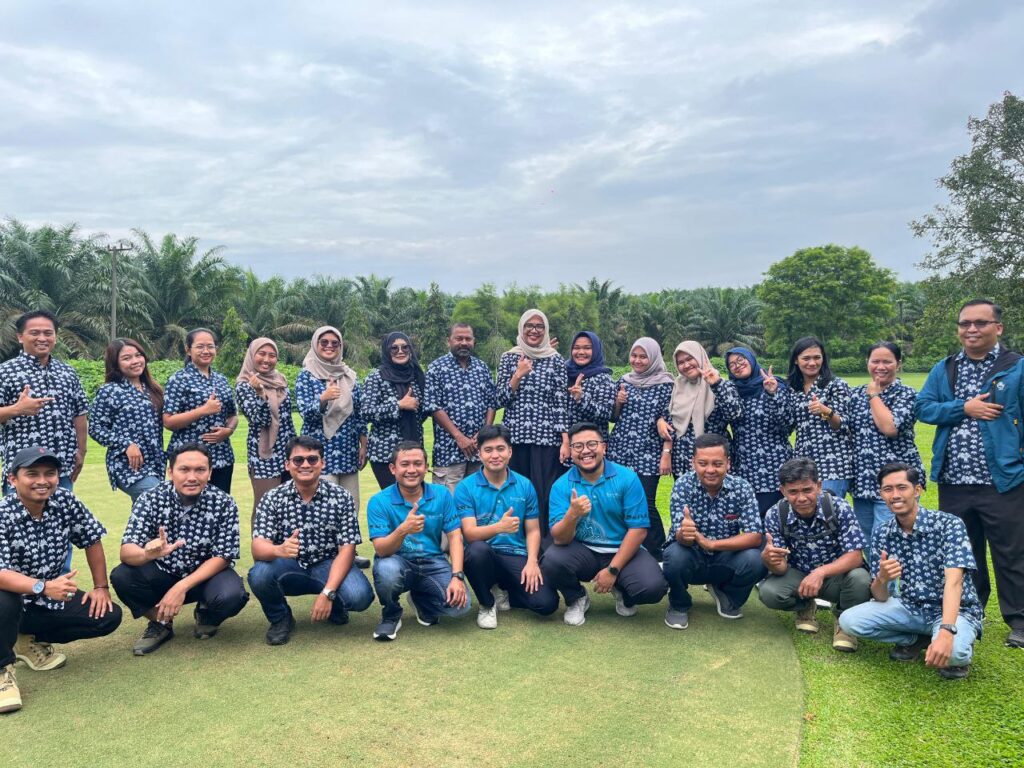
Outcome-based Conservation Monitoring
The world is facing a biodiversity crisis, and we can no longer afford to invest in ineffective conservation strategies. Optimising…
Outcome-based Conservation Monitoring
The world is facing a biodiversity crisis, and we can no longer afford to invest in ineffective conservation strategies. Optimising conservation efforts requires large volumes of data, which are difficult to collect using traditional, time-bound biodiversity monitoring methods that rely on experts conducting surveys during fixed periods. Despite their widespread use, these methods cannot provide real-time data—a critical gap when addressing rapidly changing wildlife populations. This is where citizen science plays a key role. By engaging people who encounter wildlife in their daily lives, whether in community or corporate settings, we can collect continuous data on species populations from those who know the environment best.
Community-Led Citizen Science (KehatiKu)
Borneo Futures’ KehatiKu programme in Indonesian Borneo uses citizen science to develop real-time indices of population trends and dynamics. Through this programme, we work with local communities who receive payments for verified wildlife observations. This creates a positive feedback loop in which individuals are incentivised to protect rather than exploit the rainforest and its wildlife, while simultaneously contributing to an expanding database that informs investment decisions and adaptive management.
Biodiversity Monitoring for Agribusinesses
From 2019-2024, Borneo Futures led and coordinated a five-year pilot study on citizen-science-based biodiversity monitoring in an oil palm business. The project engaged some 4,000 employees, who recorded more than 175,000 wildlife observations. The resulting data proved adaptive to population changes and of sufficiently high quality to guide conservation management. This approach can save companies significant time and financial resources compared with traditional methods, where small teams of specialists attempt to survey large areas. Importantly, it also fosters personal engagement in conservation and builds pride among staff participating in biodiversity management.
Borneo Futures is currently introducing this tested approach in another agribusiness setting in Indonesia.
Biodiversity Assessment (Terrestrial)
Specialising in biodiversity assessments, we evaluate ecological diversity at project sites to ensure compliance with environmental standards. We provide innovative and scientifically robust guidance to clients whose operational activities may impact biodiversity, primarily in tropical regions. Our assessments identify potential biodiversity impacts and provide actionable recommendations, applying the Mitigation Hierarchy to minimise environmental footprints and enhance biodiversity conservation efforts.
Biodiversity Monitoring Technologies
The Borneo Futures IT team is developing a mobile phone-based application for community-based biodiversity monitoring in remote areas without reliable mobile phone coverage or internet access.
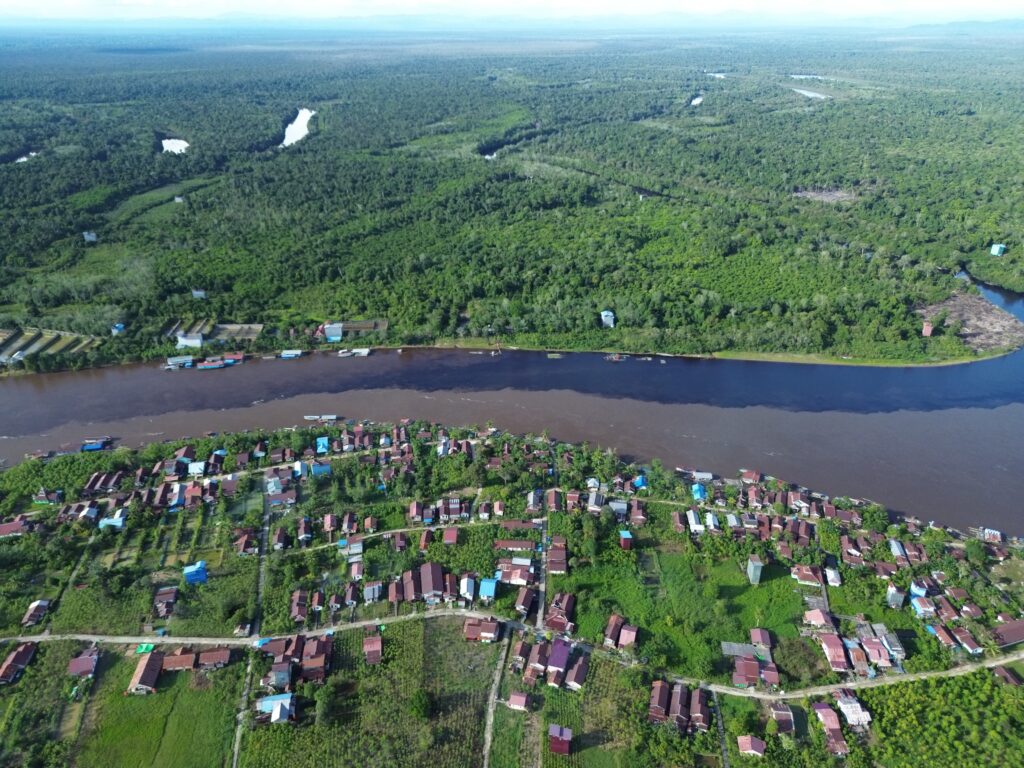
Geospatial Science
Spatial data analysis and mapping to support land-use planning, environmental assessment, and evidence-based decision-making across tropical landscapes.
Geospatial Science
Land Use Change Analysis (LUCA)
Borneo Futures is highly experienced in Land Use Change Assessments (LUCA) as part of the RSPO certification process for oil palm estates. Our LUCA process ensures compliance with RSPO standards, providing accurate and comprehensive assessments that help companies meet regulatory requirements and demonstrate sustainable land management practices.
Critical Habitat Assessment (CHA)
Our team is experienced in delivering Critical Habitat Assessments (CHA), which adhere to international standards such as the IFC Performance Standards, the World Bank Environmental and Social Standards (ESS), and the ADB Environmental Safeguards.
Land Cover Classification and Mapping
With comprehensive remote sensing and GIS capabilities, we conduct land cover classifications that categorise different land cover types according to clients’ objectives. These assessments support effective land-use planning, natural resource management, and environmental monitoring. We identify a wide range of land use and land cover classes by utilising multiple data sources, including satellite imagery, to ensure accurate classification results.
Spatial Analysis
Leveraging advanced GIS and remote sensing technologies, our spatial team delivers tailored solutions for environmental and biodiversity management. We integrate diverse datasets to provide accurate spatial data collection, processing, and interpretation, supporting informed decision-making and sustainable practices.
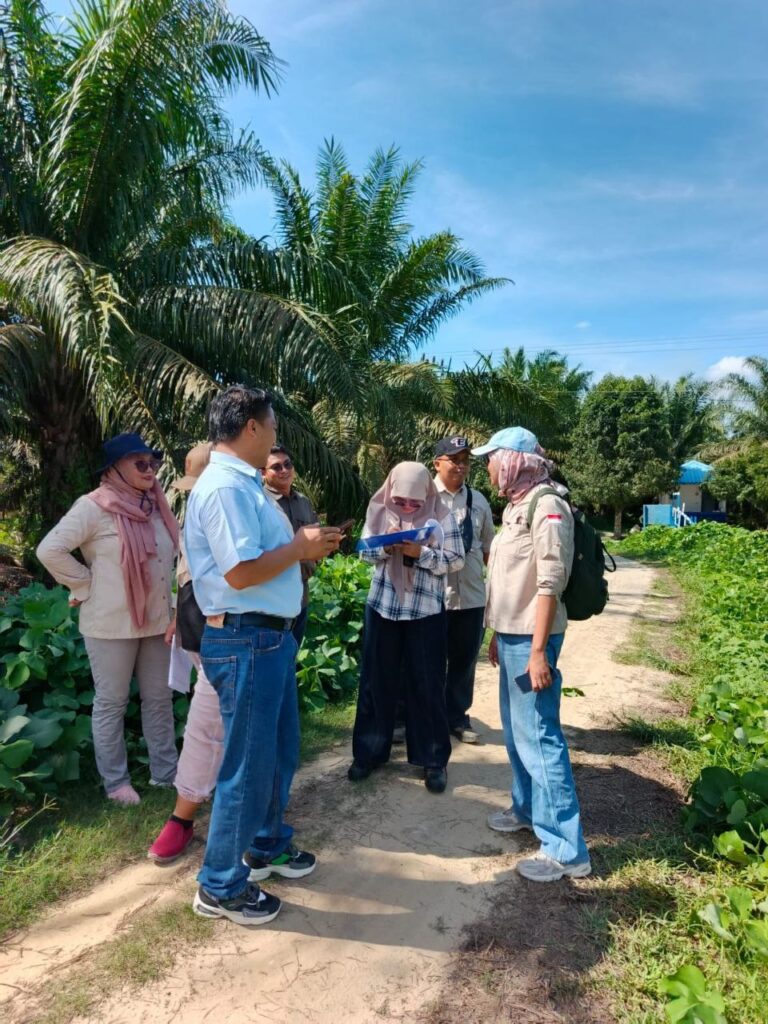
Sustainable Oil Crops
Science-based research and analysis examining vegetable oil production, land-use change, and sustainability challenges in tropical regions.
Sustainable Oil Crops
As the host organization of the IUCN Oil Crops Task Force, Borneo Futures is leading efforts towards a more nuanced understanding of how to sustainably meet future vegetable oil demand while protecting biodiversity and the environment.
The Future of Oil Crops
We have co-produced a major study with the IUCN Oil Crops Task Force and the Sustainable Nutrition Board entitled Exploring the Future of Vegetable Oils – Oil Crop Implications: Fats, Forests, Forecasts and Futures. Understanding the highly interdisciplinary and nuanced nature of vegetable oil production is essential for developing sustainable systems that meet the nutritional needs of current and future generations.
Global Oil Palm Mapping
We provide the most up-to-date oil palm maps and age predictions to a range of stakeholders to support replanting strategies and carbon storage estimation.
Food Systems Research
Building on our involvement with the IUCN and Borneo Futures’ ongoing contract with Ferrero, we have conducted food systems research from traceability, sustainability, and planetary health perspectives. This includes analyses of the prevalence of oil crops in supermarket products and assessments of the feasibility of the EAT-Lancet Planetary Health Diet guidelines.
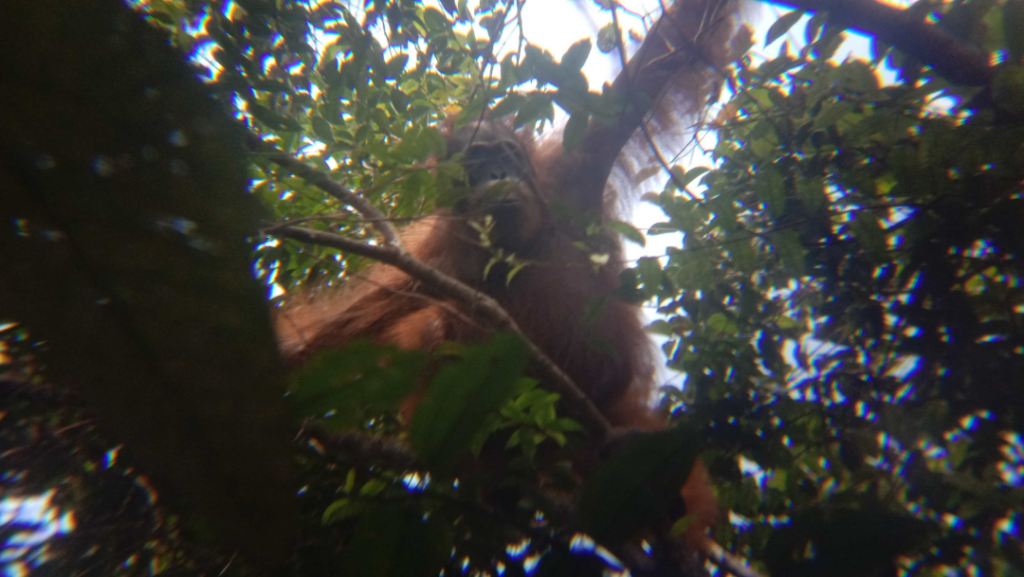
Species Conservation
Optimising conservation efforts requires large volumes of data, which are difficult to collect using traditional….
Species Conservation
Drawing on the diverse and extensive professional backgrounds of the Borneo Futures team, we support research and conservation projects across a wide range of species. We place particular emphasis on species in tropical environments that face survival risks due to climate change or human activity.
Biodiversity Assessment (Terrestrial)
Specialising in biodiversity assessments, we evaluate ecological diversity at project sites to ensure compliance with environmental standards. We provide innovative and scientifically robust guidance to clients whose operational activities may impact biodiversity, primarily in tropical regions. Our assessments identify potential biodiversity impacts and provide actionable recommendations, applying the Mitigation Hierarchy to minimise environmental footprints and enhance biodiversity conservation efforts.
Biodiversity Monitoring
We apply innovative biodiversity monitoring and management techniques, such as surveys, spatial analysis and citizen science, to provide reliable species trends, which are essential for guiding sustainable practices and informing effective conservation efforts.
Orangutan Conservation
With over three decades of research experience, Borneo Futures is at the forefront of developing cutting-edge methods to expand the scope and improve the impact of orangutan conservation methods.
Species mapping conducted by our scientists has shown that more than half of all orangutans live outside protected forests in human-dominated, modified landscapes. As part of our commitment to orangutan conservation, we seek to understand orangutan behaviour in these landscapes to inform more effective land management and species conservation strategies.
Our team promotes a nuanced understanding of orangutan translocation. While recognising the importance of rehabilitation as part of law enforcement responses to illegal wildlife trade or poaching, we strongly believe that wild-to-wild translocation undermines the survival of both metapopulations in fragmented landscapes and the species as a whole.
African Swine Fever
African Swine Fever, a little-discussed virus spreading rapidly across Southeast Asia, is decimating wild pig populations in Borneo, with serious consequences for food security and cultural practices in rainforest communities. Borneo Futures has conducted research on impacts of the virus and, by working with an interdisciplinary group of specialists, aims to raise awareness of this formidable disease to help prevent irreversible species loss and ecosystem degradation.
Knowledge Sharing and Communications
The Borneo Futures team is committed to making scientific knowledge accessible to a wide range of audiences, recognising…
Knowledge Sharing and Communications
Research and Communications Outputs
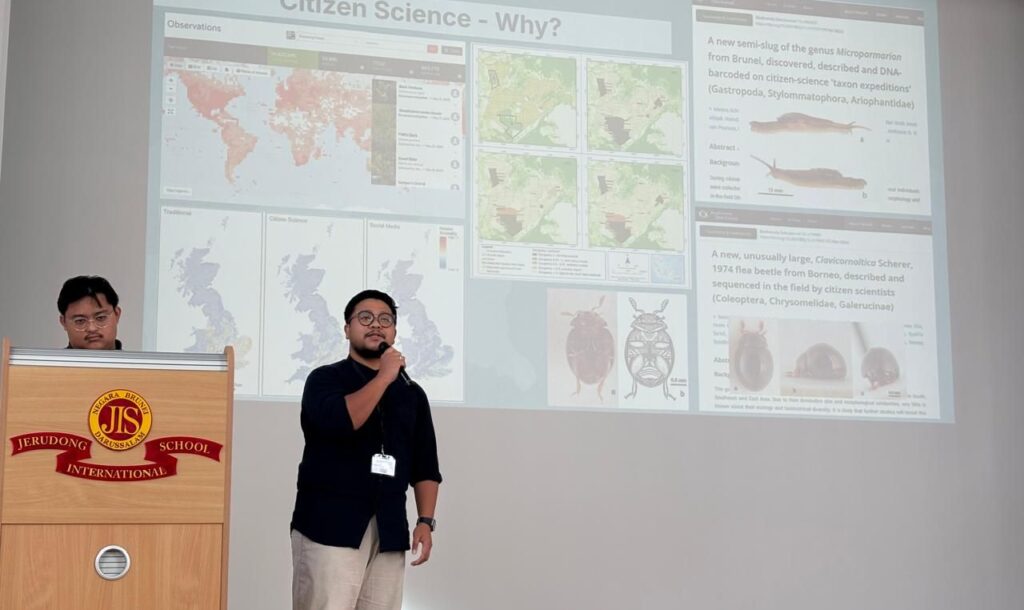
The Borneo Futures team is committed to making scientific knowledge accessible to a wide range of audiences, recognising that science cannot have impact in isolation. We regularly publish academic articles in respected journals and share insights and key findings through popular blogs and social media platforms.
Sustainability Messaging
With extensive in-house experience in the sustainability sector, Borneo Futures supports companies in writing and editing sustainability communications. This includes sustainability reporting, award applications, and public-facing content that highlights specific sustainability initiatives.