
Blog
Brunei's First Licensed HCV/HCS Assessor Leads the Way in Conservation
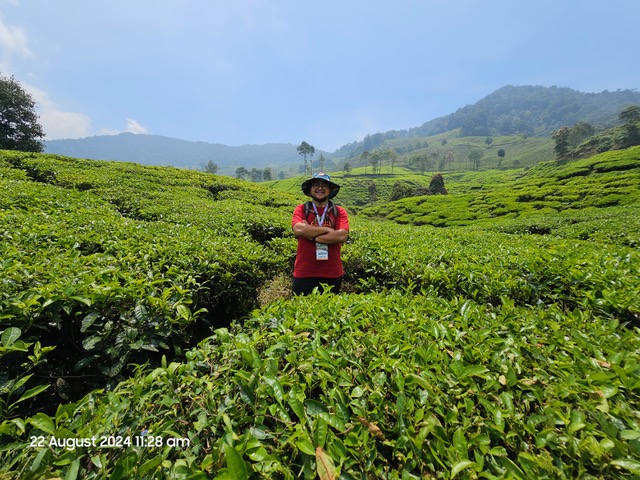
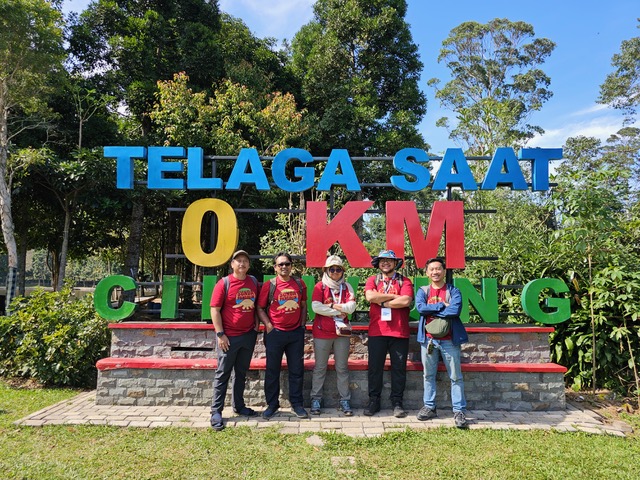
In December of this year, Syazwan Omar, known as “Wano,” achieved a major milestone by passing his final assessment for a High Conservation Value and High Carbon Stock (HCV/HCS) course. Wano is a graduate of Universiti Brunei Darussalam and holds both a Bachelor’s and a Master of Science in Geoscience from the institution. Passing his final assessment makes Wano the first provisionally licensed HCV/HCS assessor in Brunei Darussalam. HCV assessments have been used for the past two decades to identify and protect areas with high conservation value from land use change, often related to extractive industries and agriculture. The methodology is versatile and can be applied in a wide range of contexts, making it an ideal means of standardizing land use assessment and environmental protection.
Wano is a leading environmental analyst at Borneo Futures, who joined the team after demonstrating his expertise in the first Brunei-wide environmental assessment for peat, which he completed in his final project to attain his master’s degree. Since joining Borneo Futures in 2023, his career has evolved toward a focus on environmental sustainability and citizen engagement, a shift that aligns perfectly with his recent certification. His passion for this field was evident in his enthusiastic participation in the HCV/HCS assessment course held in Bogor, Indonesia. Looking forward, Wano aspires to apply his training by conducting assessments in Indonesia and spearheading efforts to establish a domestic market for HCV/HCS assessments in Brunei.
Brunei, with its rich biodiversity and extensive tropical forests, stands to benefit greatly from the adoption of HCV and HCS assessments. These tools help balance development with environmental and social priorities, offering significant advantages. HCV assessments can pinpoint critical habitats for rare and endemic species, ensuring their protection amid urban expansion or agricultural growth. HCS assessments complement this by identifying high-carbon areas, safeguarding Brunei’s forests as vital carbon sinks and supporting the nation’s climate commitments.
Economically, these assessments enable sustainable policies that balance ecological integrity with growth, particularly in forestry and agriculture. Aligning with global sustainability standards enhances market access for products like timber and palm oil, which face increasing scrutiny for environmental compliance. Additionally, these tools address community well-being by considering the needs of local and Indigenous groups, fostering equitable land-use practices. Protecting high-value areas could further bolster Brunei’s ecotourism sector, showcasing its pristine forests and biodiversity.
While implementation of these assessments requires expertise, resources, and coordination among stakeholders, integrating them into Brunei’s land-use planning could position the country as a regional leader in sustainable development and conservation. Wano’s certification marks a crucial step in this direction, as it equips Brunei with local expertise to navigate these challenges and opportunities.

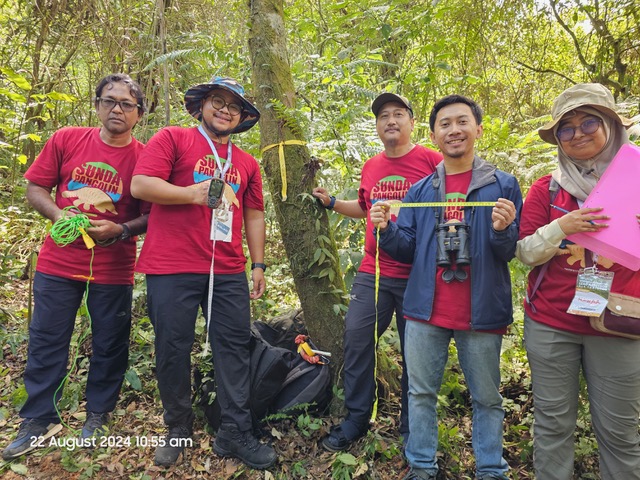
In a recent interview, Wano shared insights into the intensive course that spanned a week and offered both theoretical and practical training. Hosted by Remark Indonesia, the course delved into the fundamentals of HCV/HCS assessments and provided hands-on experience through fieldwork, mock assessments, and group activities. Wano highlighted the emphasis on communication and teamwork, two pillars of a successful assessment process. Participants engaged in exercises such as designing “perfect” landscapes for evaluation, conducting patch analyses and land cover mapping, and practicing stakeholder consultations tailored to different audiences. On-site interviews were also conducted to assess resource use and biodiversity values. Notably, the course emphasized Free Prior and Informed Consent (FPIC), a principle integral to Borneo Futures’ projects.
Aside from the ‘perfect’ landscapes, students were also assessed through continuous assessment of the theory learned throughout the course, as well as presentations of stakeholder consultations, including the outcomes and consultation process. The final assessment took the form of a group report, to mimic the conditions under which a standard HCV/HCS assessment would take place. The final assessment was submitted in September, with the results released in December. The overall grade was largely composed of this final assessment but factored in the assessments during the course too. To pass, students had to achieve a score of at least 70%. Wano, very impressively, scored 85% – an achievement to surely be proud of and a testament to his dedication to the subject matter and desire to succeed.
Now in the probationary phase of his certification journey, Wano must submit two complete HCV/HCS reports to gain full accreditation as a fully licensed assessor. Drawing on his extensive connections in Indonesia through his work at Borneo Futures, he is optimistic about finding opportunities to fulfill this requirement. Wano’s achievement not only sets him up for future successes in Brunei and beyond but also represents a pivotal moment for the nation. As Brunei seeks to integrate sustainable practices into its development strategies, the groundwork laid by Wano and HCV/HCS assessments could catalyze its transformation into an active contributor to a global drive towards prioritizing conservation and sustainable land management.